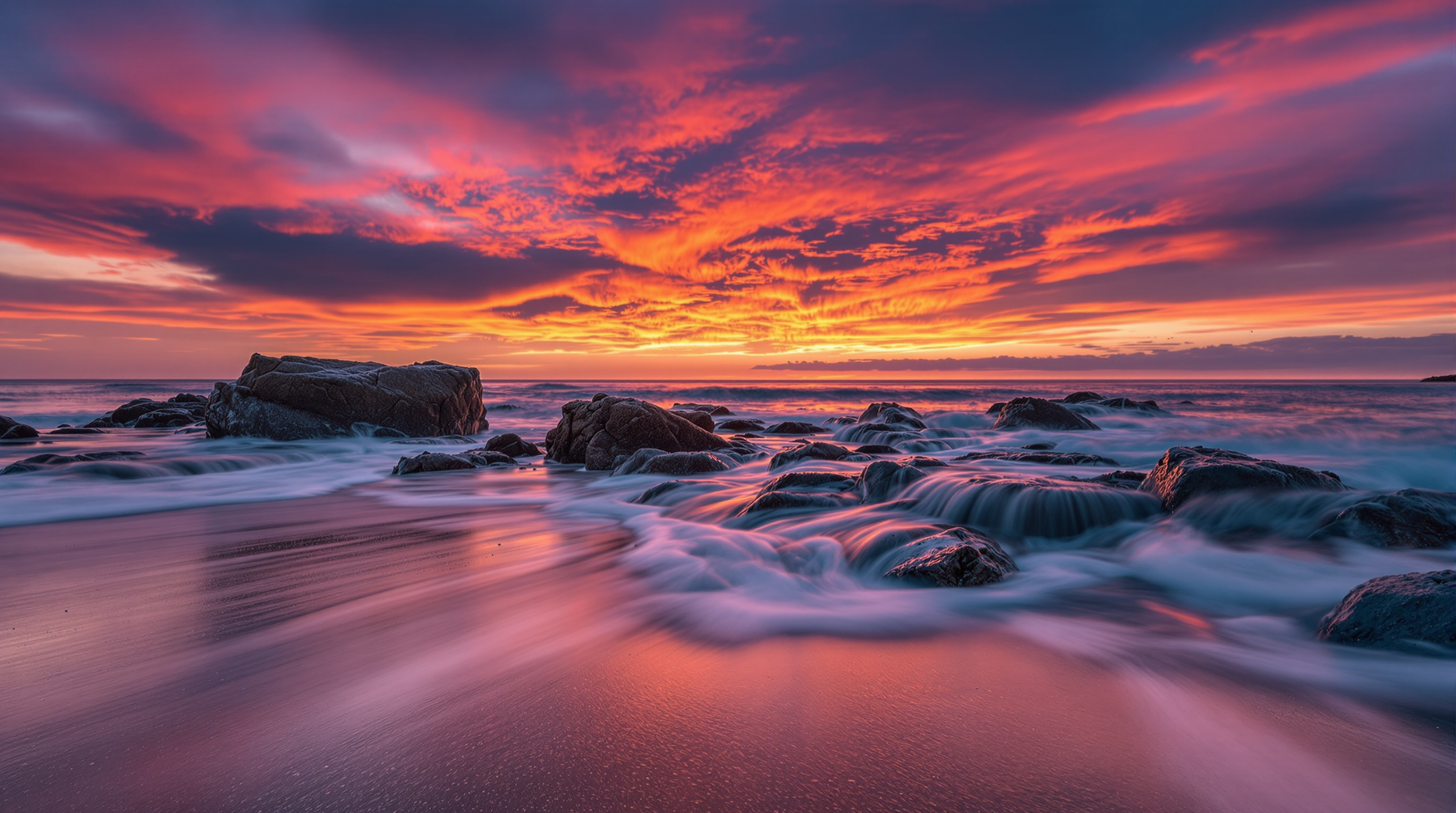
Beach environments present unique challenges and extraordinary opportunities for photographers. The combination of dramatic landscapes, dynamic water, and incredible light make coastal locations among the most rewarding to photograph, but success requires understanding the specific demands of shooting in sand and salt air.
Protecting Your Gear
Sand and salt spray are the primary enemies of camera equipment at the beach. Fine sand particles can infiltrate camera bodies through lens mounts, damaging sensors and mechanical components. Salt spray leaves corrosive residue that can destroy electronics and coatings over time.
Carry a microfiber cloth to wipe down equipment regularly. Use a UV or clear protective filter on lenses to take the brunt of spray and scratches. Consider rain covers designed for cameras, which work equally well against spray and blowing sand.
Change lenses as infrequently as possible, and when you must, position yourself with your back to the wind. Clean lens contacts and camera mount surfaces regularly during beach shoots. After each session, clean all equipment thoroughly with a damp cloth, paying special attention to crevices where salt can accumulate.
Best Times for Beach Photography
Sunrise and sunset offer the classic coastal light, with long shadows across the sand and spectacular sky colors reflecting off wet surfaces. The period just after sunrise often provides calmer conditions before afternoon winds pick up.
Blue hour, the 20-30 minutes before sunrise and after sunset, creates ethereal lighting perfect for long exposure work. The subdued light reveals subtle colors in sand and rock while allowing longer shutter speeds for silky water effects.
Overcast days can be surprisingly productive for beach photography. Soft, even lighting reduces harsh shadows and brings out subtle colors in rocks, shells, and vegetation. Cloud cover also eliminates the exposure challenges of bright sun reflecting off sand and water.
Essential Compositions
Leading lines from beach features like jetties, driftwood, or patterns in the sand draw viewers into images. Look for natural lines created by the tide, shells, or seaweed arranged by waves.
Reflections on wet sand create striking symmetry, especially during the few minutes when receding waves leave a thin water layer on the beach. Time your shots between wave sets for the smoothest reflective surfaces.
Foreground interest like shells, rocks, or tidal pools adds depth and scale to coastal landscapes. Get low to emphasize these elements while maintaining background detail.
Working with Waves
Shutter speed dramatically affects how waves appear in images. Fast speeds (1/500s and above) freeze action, capturing dramatic splash and spray detail. Slow speeds (1/2s to several seconds) blur water into silky flowing patterns.
Neutral density filters enable long exposures even in bright conditions. A 6-stop ND filter at midday might reduce exposure from 1/250s to 1 second, creating smooth water while maintaining low ISO and optimal aperture.
Timing wave impacts for action shots requires patience and observation. Watch wave patterns for several minutes to understand the rhythm, then position yourself for the most dramatic collisions with rocks or shoreline features.
Portraits at the Beach
Open shade under cliffs or structures provides even lighting for beach portraits. Position subjects just inside shaded areas, with the bright beach reflecting light into their faces as a natural fill.
Backlighting with the sun over the ocean creates rim light around subjects. Use a reflector or fill flash to prevent silhouettes while maintaining the dramatic background lighting.
Time portraits for the last hour before sunset when light is warm and shadows are long. This lighting flatters skin tones and provides beautiful golden catch lights in eyes.
Underwater and Shallow Water Techniques
Split-level or "over-under" shots, where the lens captures both above and below the waterline simultaneously, produce dramatic results unique to coastal environments. Achieving this requires a dome port attachment on a waterproof housing, steady positioning in gentle surf, and careful attention to focus points on both halves of the frame.
Shallow tidal pools provide a controlled alternative for underwater macro work. Placing a polarizer on your lens reduces surface glare and reveals the colors of submerged rocks, anemones, and small marine life without fully submerging your equipment.
Safety Considerations
Never turn your back on the ocean. Rogue waves can be larger and reach further than expected, and wet camera equipment is a minor concern compared to personal safety.
Know the tide schedule and watch for changing conditions. Rising tides can cut off return routes, especially around rocky headlands. Carry a waterproof bag for gear in case of unexpected water exposure.
Protect yourself from sun exposure during long beach sessions. Extended time focusing through viewfinders can cause photographers to underestimate sun exposure until significant sunburn develops.
Footwear choices matter more than many photographers realize. Neoprene water shoes provide grip on wet rocks while protecting feet from sharp shells and debris. Avoid going barefoot near rocky outcroppings or areas with broken glass, as beach injuries can cut a trip short.