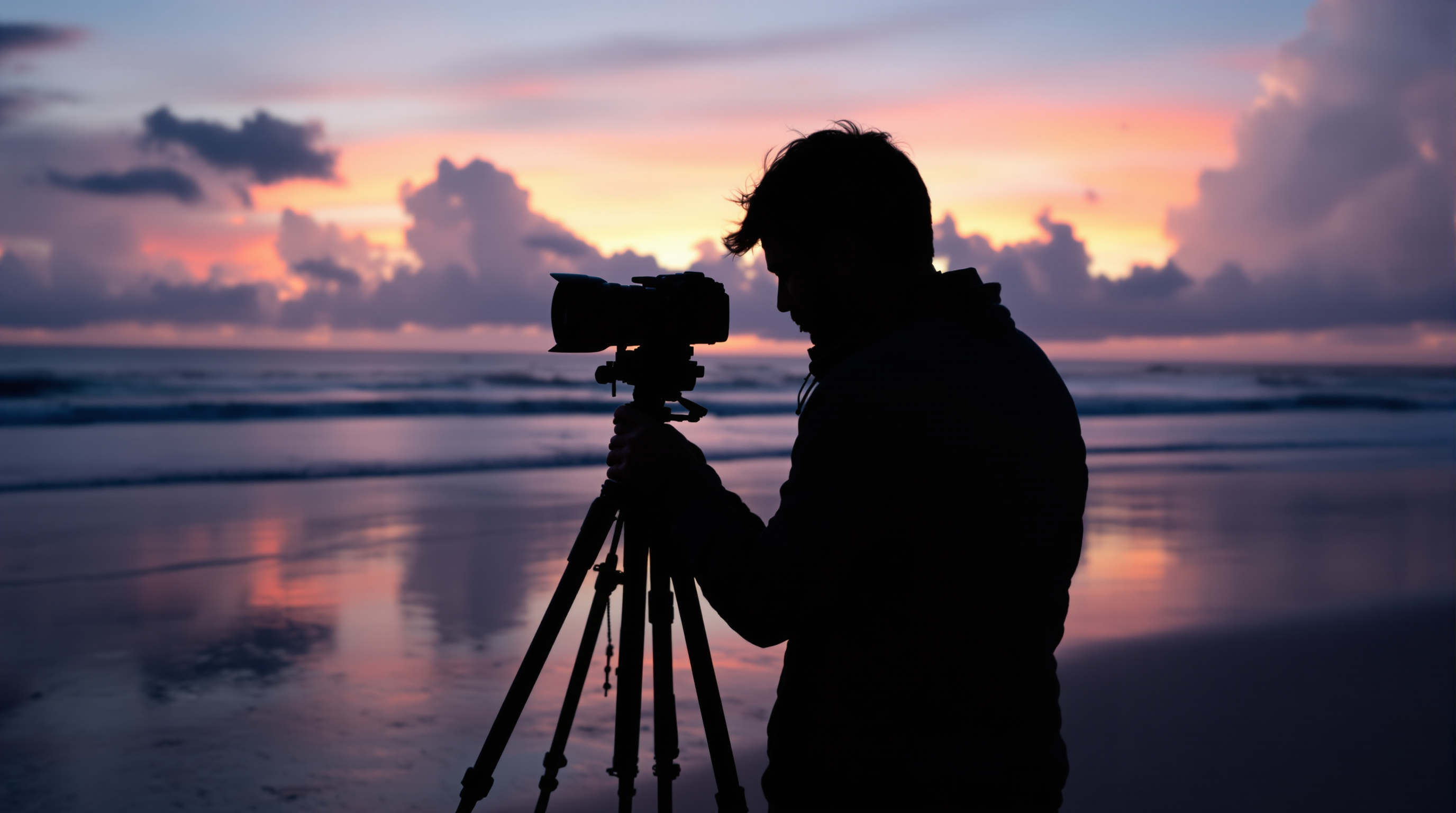
The best outdoor light happens early. Sunrise and the hour that follows offer soft, warm illumination that photographers prize, but capitalizing on this light requires morning routines that get you in position while others sleep.
The Night Before
Successful early mornings begin the previous evening. Prepare camera bags completely, ensuring batteries are charged, memory cards are cleared, and necessary lenses and filters are packed. This preparation eliminates fumbling in pre-dawn darkness.
Check weather forecasts and adjust plans accordingly. Clear skies, scattered clouds, and incoming weather fronts each offer different opportunities. Heavy overcast may warrant sleeping in, while clearing conditions following overnight rain often produce spectacular conditions.
Set multiple alarms if you struggle with early wake-ups. Place one across the room to force physical movement. Early light waits for no one, and hitting snooze means missing the best conditions.
Lay out clothing the night before, considering layering for temperature changes from cool dawn to warmer late morning. Include sun protection even for early sessions, as reflected light from water or snow can cause unexpected exposure.
Pre-Dawn Preparation
Wake early enough to eat, hydrate, and fully wake before departing. Rushed mornings create forgotten equipment and traffic stress. Arrive at locations 30-45 minutes before sunrise to scout compositions and set up.
Eat something substantial enough to fuel several hours of activity without requiring mid-session breaks. Pack additional snacks for extended sessions, as blood sugar drops cause fatigue and reduced creativity.
Caffeine timing matters for those dependent on coffee. Allow enough time for caffeine to take effect before critical shooting moments. Consider thermos-transported coffee for on-location energy.
Drive carefully on empty roads. Wildlife is active during dawn hours, and rural roads may have wandering animals. Dark conditions and fatigue combine to increase accident risk.
On Location
Arrive while stars are still visible for astrophotography opportunities or simply to witness the complete light progression from night to day. This immersion in natural rhythms deepens appreciation for the environment.
Scout the location with a headlamp, identifying potential compositions, hazards, and tripod positions. Leave the headlamp off once eyes adjust, as natural darkness vision reveals more than artificial light.
Set up primary compositions before first light appears. Once the sky begins coloring, light changes quickly, and tripod adjustment time is better spent shooting.
Stay present during the shoot rather than constantly chimping images on the LCD screen. Watch how light interacts with the landscape, moving to alternative compositions as conditions change.
Maximizing the Session
Continue shooting through the golden hour following sunrise. This period often provides better conditions than the dramatic but brief pre-sunrise sky colors.
As light becomes harsher, shift to subjects that benefit from direct sun: details with deep shadows, backlit subjects with rim lighting, or abstract patterns where harsh light creates strong contrast.
Plan a break or transition activity for the midday hours. Scout afternoon locations, process morning images, or simply rest before evening sessions.
Use late morning for secondary shots: wildlife activity, environmental portraits, or location scouting for future visits.
Building the Habit
Consistency matters more than perfection. Even unsuccessful sunrise shoots reinforce the habit of early rising and teach lessons about lighting conditions.
Start with one or two early morning shoots per week rather than attempting daily practice. Sustainability prevents burnout and maintains enthusiasm.
Track your sessions in a journal or spreadsheet, noting conditions, locations, and results. Patterns emerge over time, teaching which conditions produce best results in familiar locations.
Connect with other early-rising photographers. Shared commitments make it easier to motivate through difficult mornings, and peer feedback accelerates improvement.
Reward yourself appropriately. A good breakfast after a sunrise session reinforces positive associations with early rising. Viewing and editing captured images while the experience remains fresh provides immediate gratification.
The mental clarity and peaceful solitude of pre-dawn photography justify the effort regardless of image quality. Many photographers report that regular sunrise sessions improve overall well-being beyond their artistic benefits.
Recovery and Physical Readiness
Pre-dawn photography sessions demand sustained physical and mental energy, often in challenging terrain and temperature conditions. Photographers hiking to remote viewpoints or carrying heavy gear over uneven ground put real strain on joints and soft tissue, particularly in the cold temperatures typical of early morning outings.
Developing a recovery routine is as important as developing a shooting routine. Light stretching before bed, adequate hydration the evening before, and attention to sleep quality all contribute to readiness. Some photographers have begun exploring the emerging research on how peptides and targeted compounds may support tissue recovery and metabolic function, areas relevant to anyone placing regular physical demands on their body.
For further reading on performance, recovery, and wellness science applicable to active outdoor lifestyles, these resources provide useful starting points:
- PubMed Central (ncbi.nlm.nih.gov) — Peer-reviewed research on sleep, circadian rhythms, and physical performance
- Oath Peptides (oathresearch.com) — Research-grade peptides for recovery and metabolic research
- Found My Fitness (foundmyfitness.com) — Science-based health optimization from Dr. Rhonda Patrick