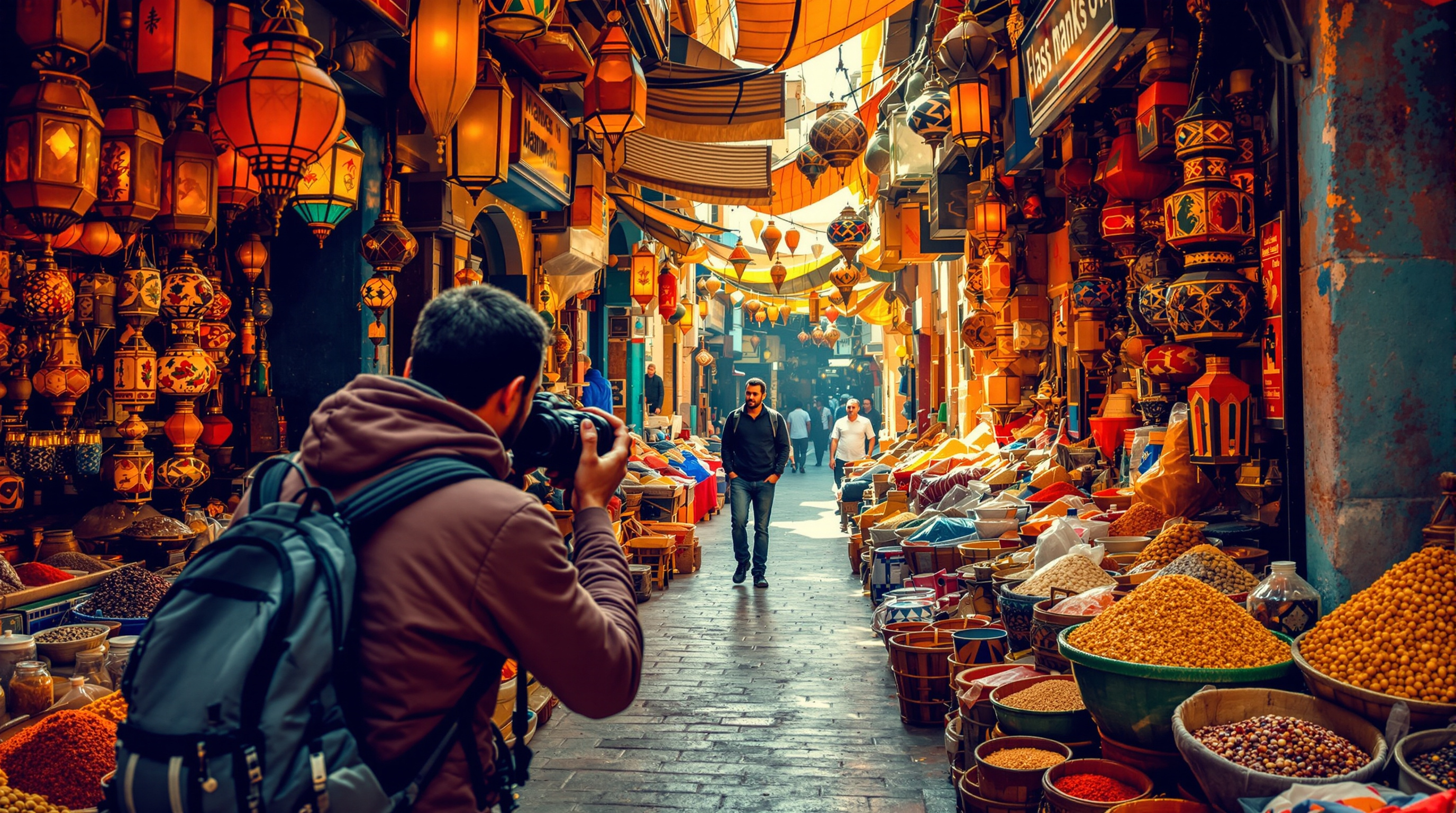
Travel photography combines the challenges of outdoor work with unfamiliar environments, cultural considerations, and equipment portability requirements. These tips help photographers maximize opportunities in sunny destinations.
Packing for Travel Photography
Airline carry-on restrictions dictate travel kit composition. Most camera bags fit within carry-on dimensions, but verify specific airline policies before traveling. Never check essential camera equipment due to theft and damage risks.
Prioritize versatility over specialization. A standard zoom like 24-70mm handles most situations, with one wide-angle or telephoto zoom as backup. Three lenses typically suffice for all but specialized assignments.
Bring more memory cards than you think you'll need. Storage is lightweight and inexpensive, while running out creates stress and missed shots. Shoot to two cards simultaneously if your camera supports it.
Battery regulations restrict lithium batteries to carry-on luggage. Research destination power outlets and bring appropriate adapters for charging. Consider a portable power bank for extended days away from outlets.
Researching Destinations
Study iconic shots of your destination before traveling, then plan to shoot those locations differently. This approach balances capturing recognizable scenes with developing personal vision.
Identify local photography regulations. Some destinations require permits for professional-looking equipment or tripods. Cultural sites may restrict photography entirely.
Note sunrise and sunset times for your travel dates. These change with latitude and season, and unfamiliar destinations may have significantly different timing than home.
Research local festivals, markets, and events that might enhance photography opportunities. Street markets often operate on specific days, and festivals provide cultural imagery unavailable at other times.
Working in New Environments
Arriving a day early allows scouting and adjustment to new time zones before critical shooting. Jet lag impairs creative decision-making and reaction speed.
Start with recognizable viewpoints to establish bearings, then explore beyond tourist areas for unique perspectives. Local neighborhoods often provide more authentic imagery than popular attractions.
Mornings generally offer better light and fewer crowds at popular locations. Tourist sites that are packed by 10 AM may be nearly empty at 7 AM.
Interacting with weather variations in unfamiliar climates requires flexibility. Tropical afternoon showers, Mediterranean heat, and desert temperature swings all affect shooting schedules.
Cultural Considerations
Always ask permission before photographing people, especially in cultures where photography may have different significance. Learning basic phrases in local languages helps establish rapport.
Dress appropriately for cultural contexts. Religious sites often require covered shoulders and knees, and local dress standards may differ from tourist beach areas.
Be aware of photography restrictions at religious sites, government buildings, and military installations. What seems like an innocent composition may create serious problems in some countries.
Respect local attitudes toward photography. Some cultures consider certain subjects or situations inappropriate to photograph, even when no formal restrictions exist.
Managing Files on the Road
Download and back up images daily. Use a laptop or portable hard drive to create secondary copies, protecting against memory card failure or theft.
Light editing on location helps identify strong images while the experience remains fresh. This early curation makes post-trip processing more efficient.
Cloud backup provides protection against equipment theft. Upload selected images to cloud storage when reliable WiFi is available.
Label and organize files by location and date during the trip. Post-trip organization is tedious when thousands of images lack geographic context.
Safety and Security
Carry camera equipment discreetly in unfamiliar areas. Obviously expensive gear attracts unwanted attention. Consider camera straps that don't advertise brand names.
Use hotel safes for backup equipment and drives. Keep one backup separate from the primary kit to protect against complete loss.
Stay aware of surroundings while shooting. Camera viewfinders limit peripheral vision, creating vulnerability. Shoot with a partner when possible in unfamiliar areas.
Travel insurance covering camera equipment provides peace of mind. Document equipment serial numbers and values before travel.
Making the Most of Every Trip
Balance photography goals with travel experience. Constantly viewing destinations through a viewfinder can prevent genuine engagement with places and people.
Allow unplanned time for wandering without an agenda. Some of the best travel images come from unexpected discoveries rather than researched locations.
Revisit locations at different times of day when possible. A scene that disappoints at noon may transform at sunset.
Return home with stories, not just images. The context behind photographs makes them meaningful and helps guide editing decisions. Keep a travel journal or voice memos to preserve details that images alone cannot capture.
Post-Trip Workflow
The days immediately following a trip are critical for organizing and processing images while memories remain sharp. Begin by importing all cards to your primary drive and running an initial pass to flag standout frames. Tagging images with location keywords and star ratings during this first review saves hours of searching later when building portfolios or fulfilling requests.
Resist the temptation to share everything immediately. Curating a tight selection of 20-30 images from a week-long trip tells a stronger visual story than dumping hundreds of frames. Let favorites sit for a few days before finalizing edits, as emotional attachment to a moment can inflate your assessment of the photograph itself.